Head of Operations & Training at Wing Academy
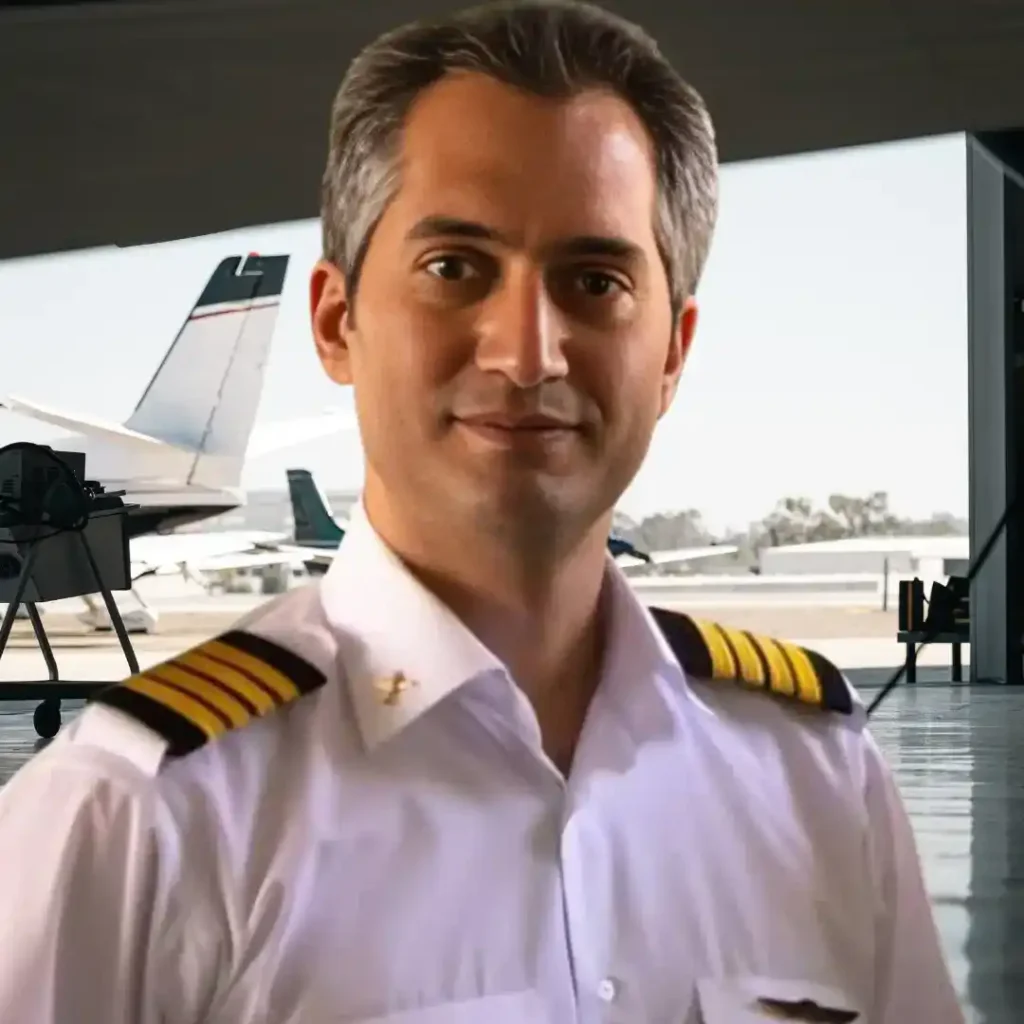
Captain Mehrdad Sayyadi
Responsibility
Responsibility in flight stems from respecting the decisions a pilot makes at every stage of the journey from pre-flight preparation to the final moment of returning to the ground. A pilot who has cultivated this commitment pays attention to detail, makes informed choices, and understands that professionalism is shaped by the quality of their outlook, behavior, and decisions.
Professional Discipline
Professional discipline in aviation is built upon adherence to everyday standards that are repeated consistently from study and practice to the precise execution of principles and checklists. A pilot who cultivates discipline steps into every flight with preparation, focus, and a ready mind. In aviation, it is this commitment to order and continuous learning that builds true skill over time.
The Pilot’s Mindset
Understanding flight stems from study, practice, and inquiry from the curiosity to understand why events happen and how every decision impacts the outcome of a flight. A pilot who deeply understands flight sees every flight as a fresh opportunity to learn, experience, and discover. Over time, flying ceases to be merely a skill; it becomes a part of their outlook, behavior, and lifestyle.
Mindset & Understanding the Sky
A pilot begins their flight long before sitting in the cockpit. They carefully review the meteorological map, outline the route and flight plan, and enter the cockpit with complete awareness of the aircraft, the environment, and the sky. It is these seemingly small yet crucial steps that guarantee flight safety. A pilot who fully grasps these principles and logic can make the best decisions and properly manage a flight even under unexpected and sudden conditions.
Flight, before being a set of maneuvers, requires a deep understanding of its principles and logic.
A pilot who understands flight makes the right decisions even in unexpected situations.
Aircraft Experience



Behind the Scenes of Operations
The first solo flight is the moment when all the hours of training, practice, and sound decisions transform into an unforgettable experience.
Prior to this moment, our responsibility is to ensure that the student pilot is ready for this step—from theoretical knowledge to practical skills and decision-making capabilities within the cockpit.
Yet, the moment the aircraft touches down after the first independent flight, the most important thing is not just completing a successful flight, but ensuring that the training has forged a prepared, responsible, and independent pilot.
The first solo is the result of a path built upon standards, evaluation, and proper training.
A Turning Point: From an Experience to a Purpose
In flight operations management, professionalism does not always mean executing a pre-determined plan to the letter.
Sometimes the aircraft is ready, the student pilot is ready, the planning is complete, and everyone is waiting to fly; but the conditions are still not right for flight. In such a moment, responsibility means being able to say: We are not flying today.
The true value of adhering to standards is revealed precisely in these moments when halting an operation requires more courage than continuing it.